Home › Knowledge › What Does Medicare Cover
Medicare Coverage for Shingles Vaccine: What?s Changed?
Vedanth Bhartee
Writer · Reviewed by Richard ChanUpdated Jun 12, 2026
5 min read
Key Takeaways
Under the Inflation Reduction Act, Medicare Part D now covers the Shingrix shingles vaccine at no out-of-pocket cost to the beneficiary.
The shingles vaccine is not covered under Original Medicare Part B, which only covers specific vaccines like flu, pneumonia, and Hepatitis B.
Beneficiaries enrolled in Medicare Advantage plans with integrated prescription drug coverage also receive the shingles vaccine for free.
Shingles is far more than just a rash—it is an excruciating viral infection caused by the reactivation of the varicella-zoster virus. For older adults, the blistering and burning pain can be debilitating, sometimes leading to severe, long-term nerve damage known as postherpetic neuralgia. Because the risk and severity of shingles increase significantly with age, prioritizing preventive vaccination is one of the most important steps you can take for your health.
Fortunately, Medicare has recognized the urgent need for this protection and recently implemented critical, life-enhancing changes to how the shingles vaccine is covered, drastically reducing the financial burden for millions of beneficiaries.
How Medicare Covers the Shingles Vaccine
When it comes to the shingles vaccine, Original Medicare (Parts A and B) does not pick up the tab. Instead, coverage is provided exclusively through Medicare Part D and select Medicare Advantage (Part C) plans that bundle in prescription drug coverage.
You can secure this essential coverage through two primary avenues:
- A Stand-Alone Prescription Drug Plan (PDP) to complement your Original Medicare, or
- A Medicare Advantage Prescription Drug plan (MAPD) that serves as your all-in-one healthcare coverage.
These private plans negotiate directly with pharmaceutical networks to ensure the vaccine is readily available at thousands of participating pharmacies nationwide.
Historically, cost-sharing for the shingles vaccine varied wildly depending on your specific Part D plan's formulary. However, under recent legislative updates (specifically the Inflation Reduction Act), Medicare has instituted strict guidelines that eliminate out-of-pocket expenses for recommended vaccines. Today, Part D plans are mandated to cover at least two commercially available shingles vaccines—including the highly effective Shingrix—at absolutely no cost to you.
This means if you have a Medicare Part D plan, you should not face a deductible, copayment, or coinsurance for the shingles vaccine when administered by an in-network provider or pharmacy.
The Evolution of Shingles Coverage
If you are confused about pricing because you remember the vaccine being incredibly expensive, you aren't wrong. Prior to 2023, Medicare coverage for the shingles vaccine was fraught with frustrating financial hurdles.
While Medicare Part D always included the vaccine on its formularies, coverage was not comprehensive. Beneficiaries frequently found themselves trapped in the "donut hole" or facing steep deductibles, forcing them to pay upwards of $200 out of pocket for a single dose.
Recent changes in federal law completely reformed this system. Now, any vaccine recommended by the Advisory Committee on Immunization Practices (ACIP), including Shingrix, must be fully covered by Part D plans. This sweeping expansion is designed to remove the financial barrier to entry, ensuring that every senior has unimpeded access to vaccines that prevent agonizing, life-altering illnesses.
Where to Access Your Shingles Vaccine
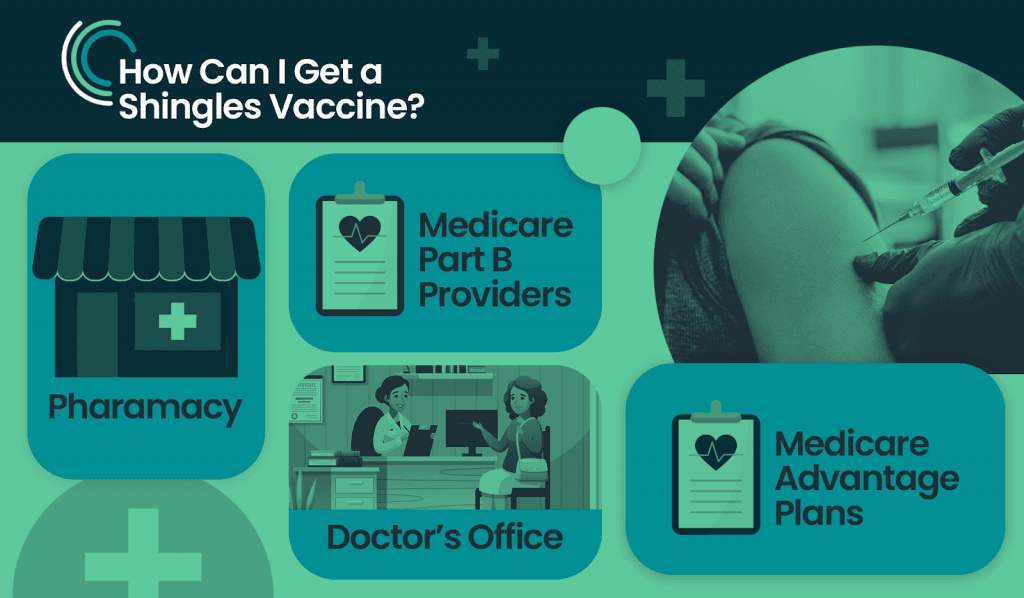
With the financial hurdles cleared, getting your shingles vaccine is easier than ever. Here are the most convenient routes to secure your immunization:
Local Pharmacies
Most major chain and independent pharmacies are fully equipped to administer the shingles vaccine and bill your Medicare Part D plan directly. This is often the fastest route. Simply walk in or schedule an appointment at an in-network pharmacy, present your Part D prescription card, and receive your shot.
Your Doctor's Office
Your primary care physician can also administer the vaccine during a routine visit. However, a word of caution: Because the vaccine is covered under Part D (prescriptions) rather than Part B (medical services), some doctor's offices struggle to bill Part D correctly. They may ask you to pay upfront and seek reimbursement. Always confirm their billing capabilities before rolling up your sleeve.
Medicare Part B Clinics
While rare, certain outpatient clinics or community health centers might have specialized billing setups to handle Part D claims on-site. If you receive care at a designated public health clinic, call ahead to verify if they stock Shingrix and can process the claim directly.
Medicare Advantage Networks
If you are enrolled in a Medicare Advantage plan with drug coverage, your plan acts as a unified system. You can confidently receive the vaccine at any in-network pharmacy or from your in-network primary care doctor without worrying about cross-billing issues between Part B and Part D.
Regardless of where you go, always bring your red, white, and blue Medicare card, along with your specific Part D or Advantage plan ID card, to ensure a seamless, zero-cost transaction.
Frequently Asked Questions (FAQs)
Can I get the shingles vaccine if I've already had shingles?
Yes, absolutely. Surviving shingles once does not grant you lifelong immunity. The Centers for Disease Control and Prevention (CDC) strongly urges individuals who have already suffered through shingles to still get vaccinated. The vaccine significantly drastically reduces the risk of the virus reactivating a second time. Wait until your current shingles rash has completely cleared before scheduling your shot.
Are there any restrictions on receiving the shingles vaccine?
While highly recommended, the vaccine isn't for everyone in every moment. Keep these factors in mind:
Age: The modern Shingrix vaccine is FDA-approved and widely recommended for adults aged 50 and older.
Health Status: If you are currently experiencing a severe illness with a high fever, you should postpone vaccination. Furthermore, if you are immunocompromised due to certain treatments or conditions, consult your doctor, though Shingrix is generally safe as it is not a live virus vaccine.
Allergies: You must inform your pharmacist or doctor if you have had a severe allergic reaction to any component of the vaccine, or if you had a dangerous reaction to your first dose of Shingrix.
Does Medicare cover other preventive vaccines?
Yes. Medicare's vaccine coverage is broadly split between Part B and Part D. Medicare Part B entirely covers seasonal flu shots, pneumococcal vaccines (pneumonia), Hepatitis B shots for those at medium-to-high risk, and COVID-19 vaccines.
Conversely, all other commercially available preventive vaccines recommended by the ACIP—including shingles, RSV, and Tdap (tetanus, diphtheria, and pertussis)—are now covered with zero out-of-pocket costs under Medicare Part D.