Home › Knowledge › Medicare Enrollment
Celebrity Plans: Are they the real deal?
Vedanth Bhartee
Writer · Reviewed by Richard ChanUpdated Jun 12, 2026
2 min read
Key Takeaways
Celebrity-endorsed Medicare commercials often promote specific Medicare Advantage plans that may not be available in your ZIP code or suited to your health needs.
The Centers for Medicare & Medicaid Services (CMS) has implemented stricter marketing guidelines to prevent misleading television advertisements regarding Medicare benefits.
Beneficiaries should consult objective resources or licensed advisors rather than relying on generalized celebrity endorsements to select their healthcare coverage.
You’re sitting in your living room, watching your favorite television program, when a commercial pops up offering to “help you” select a Medicare plan.
By “those” commercials, we are talking about the ubiquitous ads featuring a well-known celebrity spokesperson—such as Joe Namath or William Shatner—pitching a specific company’s Medicare plan. The familiar face on the screen is likely someone you recall from decades past. It might be a beloved former athlete, a classic singer from ‘back in the day,’ or an actor who captured your heart in a cherished, long-ago sitcom.
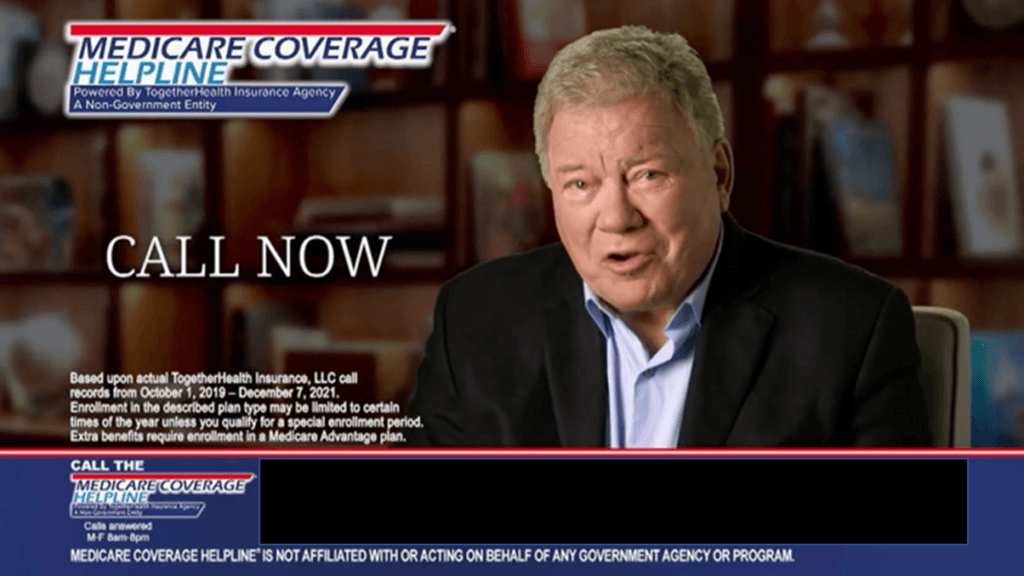
A retired quarterback, a quirky sitcom neighbor, or an iconic singer who dominated the charts during your high school years—why should we assume they possess a deep understanding of something as fundamentally important and complex as selecting a Medicare plan?
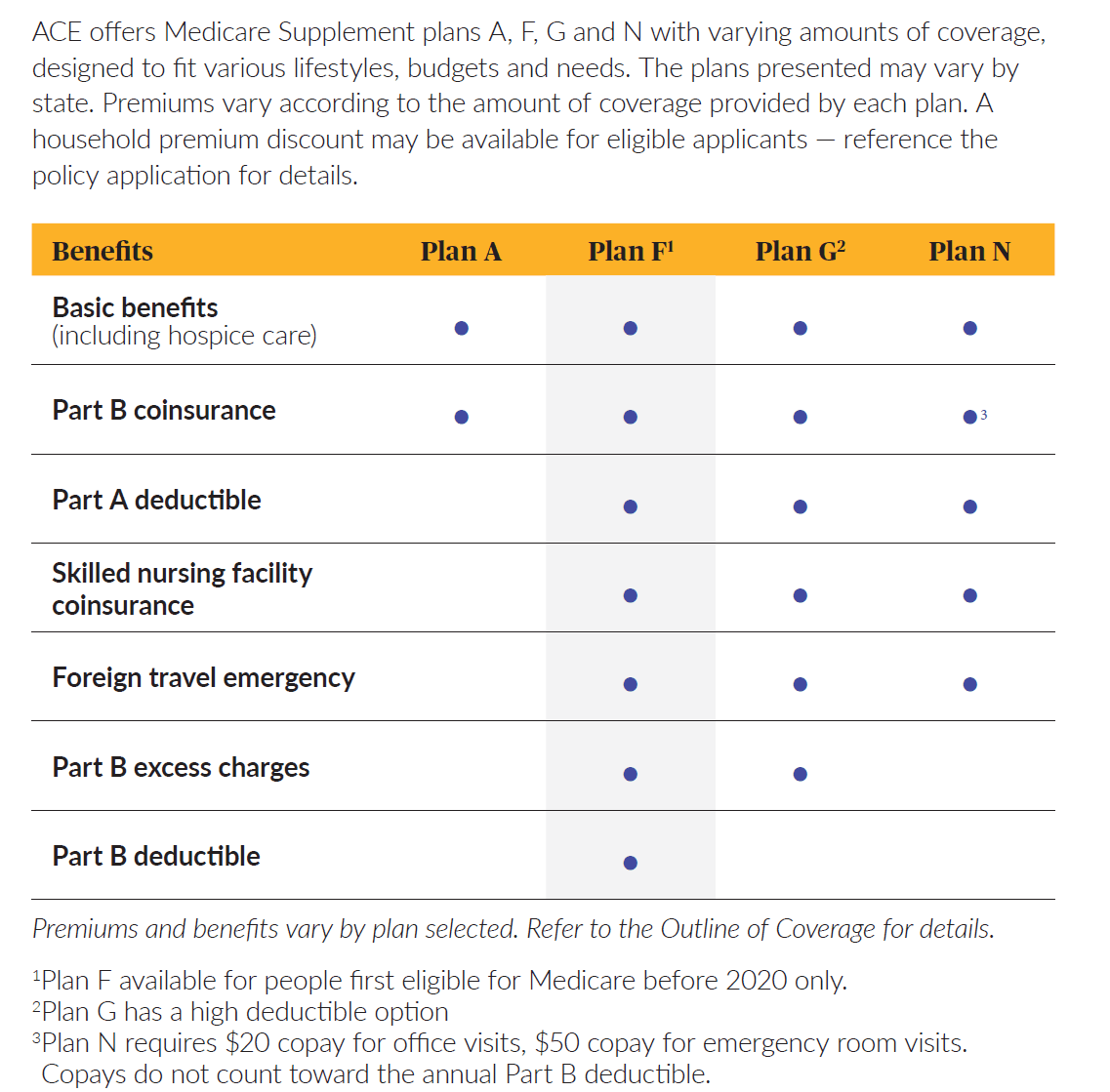
The rationale behind casting these particular spokespeople is clear. Marketing agencies wager that a familiar, friendly face will emotionally influence your healthcare decisions. Yet, as you’ve likely already deduced, there is little factual basis to let their endorsement steer your choices. The advertiser’s primary objective is leveraging nostalgia to establish a potent emotional connection with you.
As AJ Agrawal astutely noted in a 2016 Forbes article, “The Benefits of Companies Using a Celebrity Spokesperson,” the strategy is straightforward: “Building brand awareness through a celebrity spokesperson will gain a brand instant publicity. In the long-term, it will encourage more and more customers to find out more about the business their favorite celebrity happens to be supporting.”
The Government is Cracking Down
The rise of these tactics has not gone unnoticed by regulators. In November 2022, Senator Ron Wyden, D-Ore., Chairman of the Senate Finance Committee, released a sobering report detailing deceptive marketing practices across Medicare Advantage plans, highlighting a sharp increase in consumer complaints between 2020 and 2021.
The report specifically cited celebrity-driven advertisements as being aggressively misleading:
The Senate Finance Committee found evidence that beneficiaries are
being inundated with aggressive marketing tactics as well as false and misleading information,
such as:Widespread television advertisements with celebrities claim that seniors are missing out
Deceptive Marketing Practices Flourish in Medicare Advantage (Senate Finance Committee) – 2022
on benefits, including higher Social Security payments, in order to prompt seniors to call
MA plan agent or broker hotlines.
Who Can You Truly Rely On When Picking a Medicare Plan?
Related Posts