Home › Knowledge › Medicare Knowledge
Unveiling the Best Walking Shoes for Seniors: A Comprehensive Guide
CJ Karrer
Writer · Reviewed by Richard ChanUpdated Jun 12, 2026
7 min read
Key Takeaways
Original Medicare generally does not cover regular walking shoes or standard orthopedic shoes unless they are part of a leg brace.
Medicare Part B may cover specialized therapeutic shoes or inserts strictly for individuals with severe diabetic foot disease under specific conditions.
Some Medicare Advantage plans offer over-the-counter (OTC) or wellness allowances that can be used toward health-related items, though coverage for standard footwear remains rare.
Choosing the correct footwear is important at any stage of life, but as we age, the stakes become drastically higher. Our daily choices regarding what we put on our feet transform from a matter of simple fashion into a critical component of our overall physical survival and independence.
A highly engineered, deeply comfortable, and fiercely supportive pair of shoes can massively improve the daily quality of life for seniors by actively reducing crippling foot pain, preventing catastrophic falls, and radically enhancing overall mobility. Because severe, unmanaged foot problems can completely destroy a senior’s ability to perform basic, necessary daily activities, aggressively hunting down the absolute best walking shoes for older adults is a vital matter of both comfort and long-term health.
Additionally, because Original Medicare recognizes the medical necessity of foot care—and generally steps in to pay a massive 80 percent of the Medicare-approved cost for custom shoe orthotics and prescribed shoe inserts (after you have met your Part B deductible)—we strongly believe it is incredibly prudent to secure a high-quality, deeply comfortable pair of shoes designed to flawlessly accommodate your medical orthotics!
Let’s embark on a serious journey to cut through the marketing noise and find the absolute best walking shoes for older men and women—footwear meticulously designed to support and protect you through every single step of your day.
What Should I Look for When Choosing Shoes?
Seniors must brutally evaluate several critical factors to guarantee maximum comfort and physical safety when selecting walking shoes. While personal style preferences certainly matter, they must never, ever overshadow the vital importance of structural support and medical functionality.
First, aggressively consider whether your body requires high-top or low-top shoes, depending entirely on the level of rigid ankle support your joints demand. You must also evaluate the specific terrain on which the shoes will be punished—will you be gliding across smooth, predictable indoor surfaces, or battling uneven, treacherous outdoor paths? Your environment completely dictates the necessary tread.
While the color of the leather might influence your final choice, it is absolutely crucial to aggressively prioritize medical-grade features like deep, reinforced arch support, extra-wide toe boxes that prevent painful bunion compression, and high-traction, non-slip rubber soles to guarantee ironclad stability and fall prevention.
Best Walking Shoes for Seniors
Here are several highly rated, rigorously tested walking shoe options engineered specifically for seniors that flawlessly combine ergonomic medical design with stylish aesthetics. These shoes have been fiercely vetted for their structural support features, deep comfort, and overwhelmingly positive real-world user reviews.
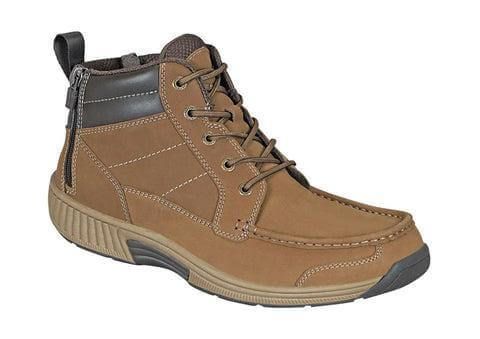
- Ryder Boots: Specifically engineered for men desperately seeking maximum ankle support, Ryder Boots are surprisingly lightweight while boasting thick rubber soles for ironclad stability across highly unpredictable surfaces. They feature premium anatomical insoles, heavy-duty ergonomic soles, and incredibly easy access utilizing two deep zippers for effortless, pain-free wear. Available in rich brown and sharp black, they are a phenomenal top-tier choice for any senior battling terrifying balance concerns.
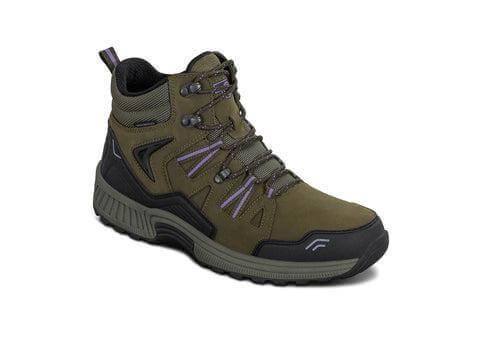
- Dakota Boots: Built with a significantly higher upper design, these rugged boots offer massive, structural foot and ankle support without severely restricting your natural range of motion. They are surprisingly lightweight, feature an ironclad waterproof membrane to keep your feet totally dry, and come armed with a deep rubber lug outsole for exceptional, aggressive traction on wet surfaces. Available in deep olive and navy blue, they are absolutely perfect for seniors looking for rugged, weather-proof, yet deeply comfortable footwear.
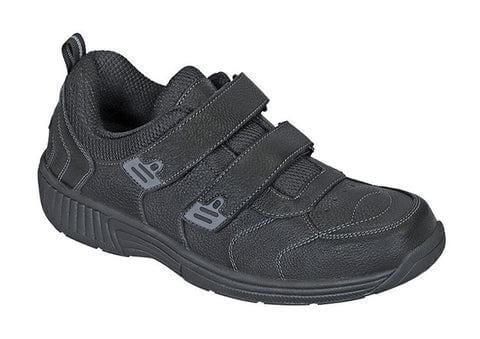
- Alamo Sneakers: These premium sneakers feature a gorgeous, full-grain leather upper designed for maximum durability and total comfort, paired with a heavy-duty rubber outsole for exceptional daily grip. The highly adjustable velcro straps completely eliminate the need to tie laces, ensuring a perfect, snug fit and making them highly suitable for those with severe arthritis. Available in sharp black and clean white, Alamo Sneakers seamlessly combine medical-grade ease of use with classic, unassuming style.
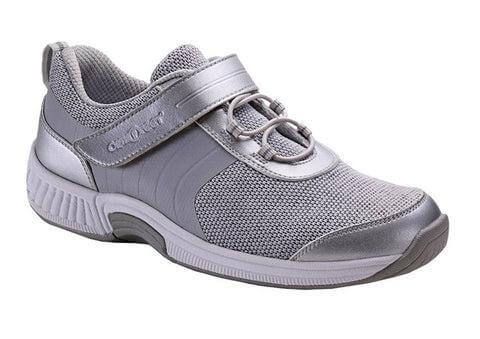
- Joelle Sneakers: These ultra-comfortable sneakers are incredibly easy to slip into thanks to their forgiving elastic laces and a powerful hook-and-loop security strap. The highly engineered fabric-elastic mix upper provides a deeply stretchable, forgiving fit that safely accommodates swollen feet or painful bunions without applying pressure. Available in deep black and soft gray, they are specifically designed for those who refuse to compromise on either aesthetics or medical functionality.
- Pacific Palisades Sneakers: The Pacific Palisades sneakers offer a highly forgiving, non-constricting fit paired with a massively durable leather upper and advanced, highly engineered grip technology explicitly designed for maximum stability and aggressive fall prevention. These fully waterproof shoes, available in stealth black, are surprisingly stylish and widely considered by podiatrists to be one of the absolute best orthopedic shoes on the market for seniors.
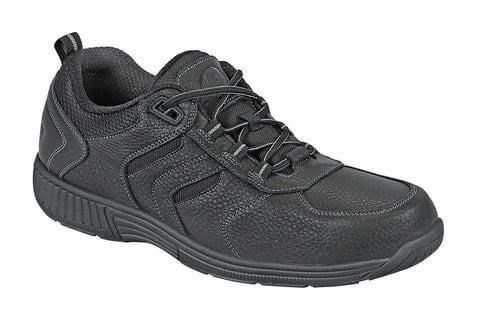
Shop Pacific Palisades Sneakers
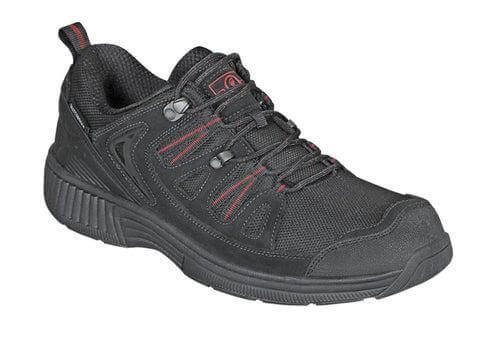
- Moravia Sneakers: These heavy-duty sneakers feature totally waterproof uppers to guarantee absolute dryness, paired with highly advanced grip patterns and structural stability engineered to actively help prevent catastrophic falls. The deeply firm heel counter and massive, wide sole aggressively enhance your daily balance. These highly protective sneakers are available in both black and gray.
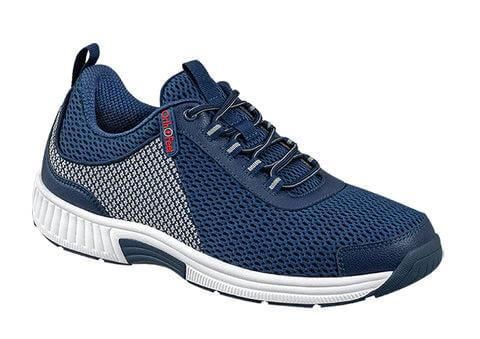
- Edgewater Sneakers: Explicitly designed for seniors battling severe mobility issues, these forgiving shoes feature a massive rubber outsole for vastly improved grip and highly flexible, stretchable uppers that guarantee a deeply comfortable, non-binding fit throughout the entire day. Available in black, navy blue, and light gray.
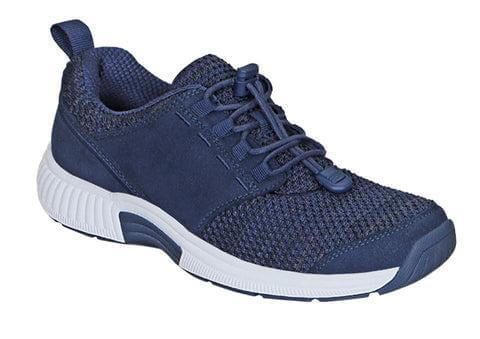
- Francis Sneakers: Utilizing a highly advanced bungee lace closure system for totally effortless, bend-free on-off wear, these sneakers offer massively improved traction and a deep, plush cushioning system designed for comfortable, pain-free movement. The highly stretchable uppers guarantee a perfect, forgiving fit even on swollen feet. Available in multiple attractive colors.
Finding the Perfect Step: A Guide to the Best Walking Shoes for Older Adults
Investing in high-quality orthopedic shoes for seniors is laying the absolute foundation for daily comfort, physical support, and long-term mobility. Choosing shoes heavily armed with the right medical features ensures every single step taken by a senior is a safe, protected stride towards dramatically improved well-being and a fiercely active lifestyle.
Whether you desperately need the ironclad durability of high-top boots, the forgiving flexibility of stretchable sneakers, or the daily convenience of shoes utilizing specialized, arthritis-friendly closures, there is an ideal, medically sound pair out there for every single senior seeking to walk comfortably and confidently.
FAQ
What if they don’t fit me when I receive them?
Do not panic. Most reputable orthopedic footwear companies offer highly forgiving, ironclad return policies that allow you to seamlessly exchange or fully return shoes if they don’t perfectly accommodate your foot. However, you must always aggressively verify the exact return window and policy details in the fine print before authorizing the purchase.
How can I buy a pair for my spouse?
When purchasing specialized footwear for someone of a different gender, you must meticulously calculate size conversions. Generally, women’s sizes are typically 1.5 to 2 sizes smaller than the equivalent men’s size. However, guessing is dangerous—always locate and strictly follow the specific brand’s official sizing chart to guarantee an accurate, safe conversion.
Is it better to shop for walking shoes in-store or online?
There are fierce benefits to both. Shopping in-store offers the massive advantage of an immediate, physical fitting and highly personalized, expert advice from trained store associates, which can be absolutely invaluable for diagnosing complex foot issues and finding the perfect supportive pair. Conversely, online shopping offers unparalleled access to a vastly wider range of specialized orthopedic options and brutally honest customer reviews, which can help you avoid defective brands.
For many seniors battling severe mobility issues, online shopping also offers the massive, necessary convenience of direct doorstep delivery. If you are deeply uncertain about your exact size, the best strategy is to physically visit a specialized store to try on different high-end brands and styles to establish your fit, and then aggressively hunt online for vastly more variety or significantly better pricing.