Home › Knowledge › Medicare 101
Medicare Part B Excess Charges: What Are They and Do You Need to Pay it?
CJ Karrer
Writer · Reviewed by Richard ChanUpdated Jun 12, 2026
4 min read
Key Takeaways
Medicare Part B excess charges can occur when you visit a doctor or provider who does not accept Medicare assignment.
Federal law limits excess charges to a maximum of 15% above the standard Medicare-approved amount for a given service.
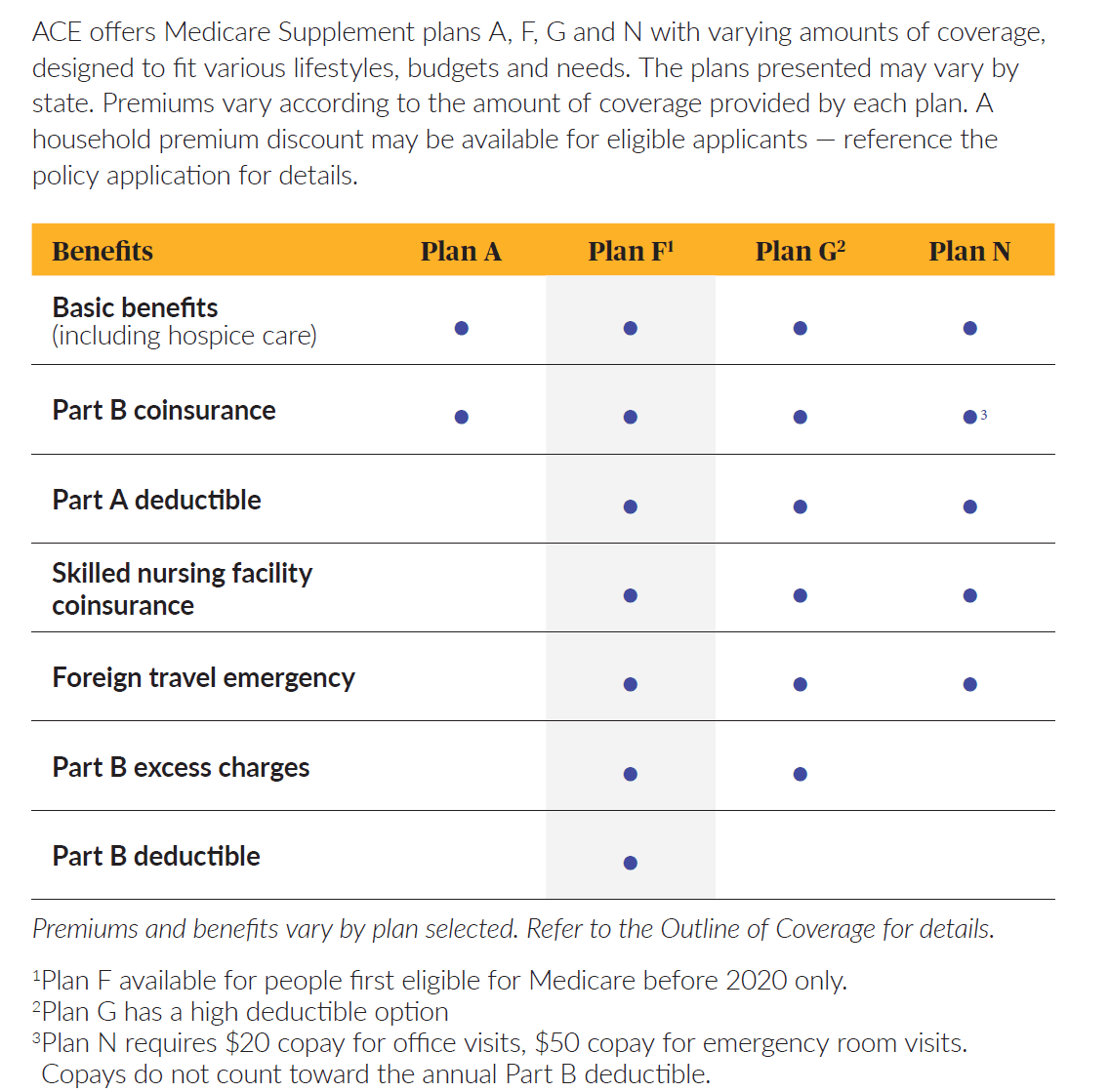
Certain Medicare Supplement (Medigap) plans, specifically Plans F and G, provide full coverage for Part B excess charges.
Navigating Medicare can often feel like a maze. A 2022 report from Sage Growth Partners highlights a frustrating reality: remarkably few Americans enrolled in Medicare feel confident about the finer details of their coverage, and a significant majority (63%) admit to feeling overwhelmed by the constant barrage of Medicare advertising. It's a heavy burden when you're simply trying to secure the care you need.
One particularly confusing sticking point for retirees is the concept of “excess charges.” If you've ever stared at a medical bill wondering why the math doesn't add up, this might be the culprit. Let's break down exactly what these charges are and, more importantly, whether you're actually on the hook for them.
What are Medicare Part B Excess Charges?
First, a crucial distinction: Medicare excess charges exclusively impact beneficiaries enrolled in Original Medicare. If you've opted for a Medicare Advantage plan, this specific surcharge won't apply to you.
In simple terms, an excess charge is the financial gap between what a doctor or hospital bills for a healthcare service and the maximum amount Medicare has formally approved for that specific treatment.
This officially recognized, Medicare-approved payment amount is referred to as an “assignment.”
Medicare Part B excess charges represent the extra dollars a healthcare provider tacks onto your bill, exceeding Medicare's established limit.
Here's the catch: under federal rules, doctors who accept Medicare are legally permitted to charge up to 15% more than the assigned rate in certain scenarios, while still maintaining their Medicare relationship.
What is Medicare Assignment?
Think of Medicare assignment as a binding handshake between Medicare and your healthcare provider or supplier. It's an agreement dictating the total cost for a covered medical procedure. Ultimately, it serves as a safeguard, guaranteeing that you won't be billed a single cent more than the Medicare-approved amount for that treatment.
When a doctor agrees to accept Medicare assignment, they are committing to taking the Medicare-approved amount as their full and final payment. This is a massive relief for patients, as it shields you from unexpected out-of-pocket expenses for covered procedures. In the industry, these professionals are categorized as “Participating Providers.”
However, the system has a gray area. If a doctor accepts Medicare but explicitly refuses to accept assignment, you suddenly become liable for an additional surcharge of up to 15% on top of the service cost. These providers operate under the title of “Non-Participating Providers.”
And, of course, if you visit a doctor who has completely opted out of the Medicare system, you'll be solely responsible for footing the entire bill.
How Common Are Part B Excess Charges?
Take a deep breath: Part B excess charges are surprisingly rare.
According to official government data, an overwhelming 98% of doctors and practitioners actively accepted Medicare assignment in 2022.
This means a mere 2% of Medicare-contracted physicians were even eligible to bill patients for excess charges. Notably, a substantial chunk of those charges (about 40%) originated from mental health specialists.
How do Medicare Excess Charges Work?
To truly grasp how Medicare Part B excess charges can impact your wallet, let's walk through a real-world scenario.
- Imagine you undergo a medical procedure that Medicare has valued at an approved cost of $1,000. Your physician, however, does not accept assignment and decides to bill you the absolute maximum excess charge of 15% (which is $150). Your total medical bill is now $1,150.
- Assuming you have already met your annual Part B deductible, you are legally responsible for a 20% coinsurance payment on the original $1,000 Medicare-approved amount, plus the entire $150 excess charge.
- Ultimately, your personal share of the bill balloons to $350 (that's the $200 coinsurance plus the $150 penalty).
How Can You Avoid Excess Charges?
Let's be clear: once you've been hit with an excess charge on an invoice, you cannot negotiate your way out of it. The only effective defense is proactive planning.
Here are the most reliable strategies to ensure you never pay a dime in Medicare excess charges:
- First, check the specific laws in your home state. Eight forward-thinking states have completely banned excess charges: Connecticut, Massachusetts, Minnesota, New York, Ohio, Pennsylvania, Rhode Island, and Vermont. If you live elsewhere, you are in a Part B excess state and remain vulnerable.
- Always verify your healthcare provider's assignment status before consenting to a treatment. If they accept Medicare assignment, your wallet is safe. If they hesitate or refuse, you have every right to shop around for a competing provider who respects your financial boundaries.
- Consider purchasing a Medicare Supplement (Medigap) insurance plan. These plans are designed to absorb the shock of deductibles, coinsurance, and, crucially, Part B excess charges. Specifically, Medigap Plan F and Plan G offer robust safety nets that cover Medicare excess charges in their entirety.
- Explore the alternative path of a Medicare Advantage plan. Medicare Advantage structures negotiate strict agreements with their provider networks. Under these terms, you are fundamentally shielded from “excess charges” and are only obligated to pay the transparent copayment outlined in your policy documents.
Get Personalized Medicare Advice
Our streamlined online tools are built to help you identify your ideal Medicare match in a matter of minutes. You can easily compare quotes from top-tier insurance brands while receiving unlimited, empathetic support from a licensed insurance agent who understands your unique healthcare concerns.