Home › Knowledge › Medicare 101
Medicare for Dummies: A Comprehensive Guide to Understanding Your Medicare Coverage
CJ Karrer
Writer · Reviewed by Richard ChanUpdated Jun 12, 2026
4 min read
Key Takeaways
Original Medicare consists of Part A, which covers inpatient hospital stays and skilled nursing facility care, and Part B, which covers outpatient services and doctor visits.
Beneficiaries have a 7-month Initial Enrollment Period (IEP) that begins three months before their 65th birth month, includes their birth month, and ends three months after.
To help cover out-of-pocket costs like copayments, coinsurance, and deductibles left by Original Medicare, beneficiaries can purchase specialized Medigap (Medicare Supplement) policies.
Introduction to Medicare
Approaching your 65th birthday should be a time to celebrate your upcoming retirement, not a time to stress over complex insurance manuals. If you are nearing 65, or if you qualify through a disability, you are about to enter the world of Medicare. At its core, Medicare is the federal health insurance program that acts as a financial safety net for millions of older Americans and those with specific disabilities. Let's strip away the confusing jargon and break down the different parts, the costs you can expect, and the critical enrollment deadlines you simply cannot afford to miss.
Different Parts of Medicare
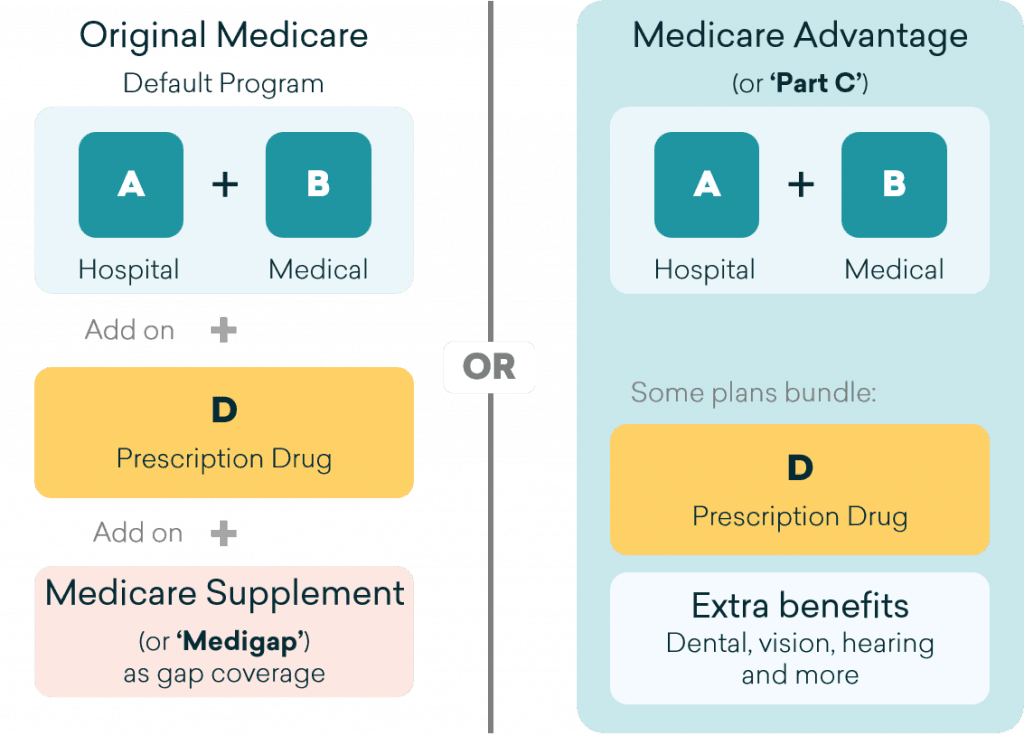
Think of Medicare like a puzzle made of four distinct pieces: Part A, Part B, Part C, and Part D. Understanding how they fit together is the key to securing your health.
- Part A operates as your hospital insurance. It kicks in to cover major inpatient hospital stays, care in a skilled nursing facility, compassionate hospice care, and specific home health care services.
- Part B functions as your daily medical insurance. It covers routine doctor visits, vital outpatient care, preventive screenings, and durable medical equipment like wheelchairs.
- Part C (widely known as Medicare Advantage) is a bundled, private alternative to Original Medicare. It rolls Part A and Part B into one package, and frequently sweetens the deal with extra benefits like dental, vision, and hearing coverage.
- Part D is your prescription drug coverage. Like Part C, these plans are sold exclusively by private, Medicare-approved insurance companies to help offset the soaring costs of pharmacy medications.
Original Medicare Part A & B Cost for Dummies
While Medicare is a massive help, it is rarely entirely free. Here is what you can expect to pay:
For most Americans, Part A is premium-free. As long as you or your spouse paid Medicare taxes while working for at least 10 years, you've already bought your ticket. However, you are still on the hook for deductibles and daily copays if you actually end up needing a hospital bed.
Part B, on the other hand, comes with a standard monthly premium that is deducted directly from your Social Security check. The Part B premium is recalibrated every year by the government. Beyond the premium, you must meet an annual deductible. Once that's cleared, you will generally be required to pay a 20% coinsurance on all Medicare-approved medical services.
Keep in mind: if you have a higher income, the government may assess a Part B income-related adjustment amount (IRMAA), forcing you to pay a slightly higher monthly premium.
Medicare Part D Cost
A Part D prescription plan also features its own monthly premiums, deductibles, copays, and coinsurances. Your total cost will wildly fluctuate based on the specific private plan you select and the exact medications you require each month.
Because private insurers set their own pricing, monthly Part D premiums can range anywhere from a mere $6 up to $111. On average, most beneficiaries can expect a standalone prescription plan to cost roughly $43 per month.
Medicare Enrollment Periods for Dummies
- Initial Enrollment Period (IEP): Your primary window. It spans 7 months, opening 3 months before your 65th birthday month and closing 3 months after. If you miss this, you will likely face lifelong late enrollment penalties.
- General Enrollment Period (GEP): If you fumble your IEP, this is your backup plan. It runs from January 1st to March 31st every year, with your coverage activating the month after you apply.
- Annual Enrollment Period (AEP): Every fall, from October 15th to December 7th, you get a chance to review, switch, or drop your Medicare Advantage or Part D plans for the upcoming year.
- Special Enrollment Period (SEP): Life is unpredictable. If you suddenly retire and lose employer-sponsored healthcare, you are granted an SEP to enroll without penalty.
Supplemental Medicare Coverage
Because Original Medicare forces you to pay 20% of your medical bills, going without supplemental protection is incredibly risky. You generally have two paths to protect your savings:
- Medicare Supplement (Medigap): These private policies act as an add-on to Original Medicare. You pay a monthly premium, and the plan automatically pays the deductibles and 20% coinsurance that Medicare leaves behind. There are 10 standardized plans available, with Plan F, Plan G, and Plan N reigning as the most popular choices for nationwide security.
- Medicare Advantage (Part C): Alternatively, you can abandon Original Medicare entirely and opt for an all-in-one private Advantage plan. These policies combine Parts A and B, usually roll in prescription drug coverage, and often bundle perks like dental and vision. Because network rules and out-of-pocket limits vary drastically from plan to plan, you must compare them carefully against your personal budget.
Conclusion
Transitioning into Medicare feels like learning a new language, but you don't have to navigate it blindly. By mapping out the four parts of Medicare, bracing for the real costs, and treating enrollment deadlines like hard appointments, you can confidently secure the coverage you deserve. A strong supplemental policy is the final piece of the puzzle, shielding your hard-earned retirement savings from sudden medical shocks.